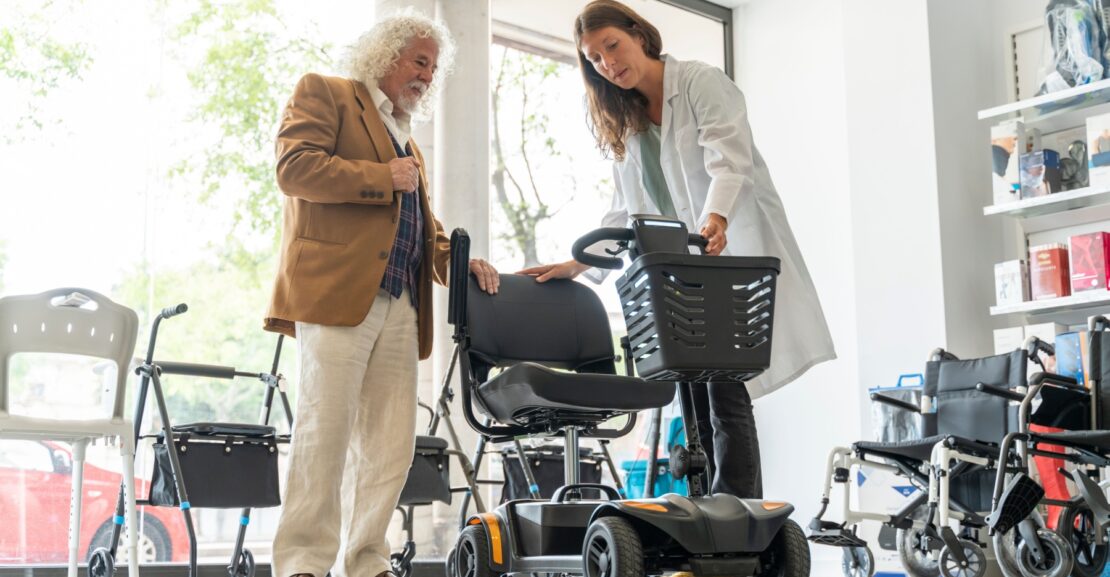
Supporting a loved one with mobility challenges often involves more than emotional encouragement; it demands practical solutions that restore independence and dignity. For many families, a mobility scooter can make daily life easier and more inclusive, allowing users to participate in the community with confidence. Yet the high cost of these devices can quickly become a significant financial concern.
While the range of available disability scooters grows, knowing where to turn for financial support remains a critical hurdle. Many households are unaware of the funding avenues that can reduce or remove the burden of upfront expenses. Grants, government schemes, charitable assistance, and alternative financing routes all play a role in helping families access the support they need.
Financial Barriers to Mobility Aids for Families
Buying a mobility scooter for sale can place significant pressure on family budgets. Whether the need arises suddenly or after a gradual change in physical ability, families often face tight timelines for purchasing, and the choices can be overwhelming.
Some households mistakenly assume that disability scooters are automatically covered by insurance or disability benefits. In reality, many policies offer little to no support for what are classified as non-medical devices. Families are often left to cover costs out-of-pocket or rely on limited savings.
The price range varies widely depending on the type of scooter. Budget-friendly models are available, but may lack features needed for daily comfort or long-term durability. Larger, road-safe options can cost several thousand pounds, making it essential to explore cost-effective ways to shop electric scooters for mobility support that meet both quality and budget criteria.
Ongoing and Hidden Expenses
The financial commitment doesn’t end with the purchase. Families must also consider the long-term needs associated with a disability scooter. Battery replacement, routine servicing, and general wear and tear all contribute to the ongoing cost of ownership.
Maintenance delays can lead to inconvenient breakdowns or extended periods without the equipment. Additionally, many homes require modifications to accommodate scooter use, including ramps or wider doorways. These adjustments add yet another financial layer that families must plan for.
When budgets are stretched, some families are forced to choose more basic mobility solutions that don’t fully meet the user’s needs. This can lead to discomfort, safety issues, and reduced independence. Learning about funding sources is a vital part of the purchasing process.
Government Funding Programmes for Mobility Equipment
In the UK, several government schemes are designed to help individuals with disabilities access the right equipment. Understanding these programmes and how to apply gives families a stronger chance of securing the assistance they need.
Motability Scheme
The Motability Scheme remains one of the most well-known options for people who qualify for mobility-related benefits. Families can lease a scooter in exchange for a qualifying mobility allowance, with the lease covering insurance, servicing, and breakdown cover.
This approach allows families to avoid the high upfront costs while ensuring the user receives reliable equipment suited to their circumstances. To avoid delays, it’s important to compare scooter options, confirm eligibility early, and keep track of documentation throughout the process.
NHS and Local Authority Support
In certain areas, NHS wheelchair services may offer discretionary funding toward mobility aids, though this typically focuses on wheelchairs. However, some clinical commissioning groups have extended support to cover mobility scooters in specific cases.
Local authorities also offer Disabled Facilities Grants for home modifications needed to support mobility, including changes related to scooter use. These grants can alleviate some financial pressure of preparing the home environment for a new disability scooter.
Employment and Veterans Programmes
Support is also available through employment-related schemes. The Access to Work programme helps cover the cost of assistive devices, including mobility scooters, for individuals who need them to perform their job. Veterans may be eligible for assistance from organisations such as Veterans UK or the Royal British Legion, which offer grants for mobility equipment as part of broader support services.
Charitable Organisations Providing Financial Assistance
For families that do not meet the eligibility criteria for government support or who require additional assistance, charitable organisations offer another route to funding.
National and Condition-Specific Charities
Large disability charities such as Independence at Home provide grants for mobility scooters. These are typically awarded based on income, medical need, and supporting documents. Condition-specific charities, including Parkinson’s UK, the Multiple Sclerosis Society, and the Motor Neurone Disease Association, also offer funding programmes tailored to the needs of their communities.
Applications to these charities often require medical evidence, a quote from a reputable supplier, and clear justification for the requested support.
Community Foundations and Local Aid
Many regions have community foundations or local charities that allocate funds for mobility equipment. These include Rotary Clubs, Lions Clubs, and neighbourhood support groups. While the amounts may be smaller, these grants can be combined with other sources to make a mobility scooter for sale more accessible.
In some cases, local religious institutions or care organisations may also offer grants or loan schemes that provide short-term help while families explore more permanent solutions.
Planning for Better Support
Accessing a suitable mobility scooter requires time, planning, and knowledge of the available funding pathways. With so many different sources of support, families have more options than they may realise.
With the right information and resources, families can make informed decisions and secure mobility solutions that improve daily life.